
Restaurant glossary A–C: Epicurean Expressions
85 illustrated culinary and restaurant terms from the A–C section of Epicurean Expressions by Gerardo Salazar.
A la Carte
A menu style where each item is listed separately with individual prices, allowing customers to choose exactly what they want.
A la Minute
A cooking method where dishes are prepared to order rather than pre-cooked and kept warm.
Account Payable
Money a restaurant owes to suppliers and creditors.
Account Receivable
Money owed to a restaurant by customers for services or products provided.
Advertising
The activity or profession of producing advertisements to promote restaurant services and menus.
Agitation
Stirring or mixing ingredients vigorously to combine them properly.

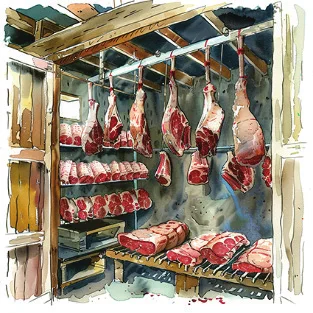
Aging
The process of allowing food, especially meat, to mature for improved flavor and tenderness.
Alcohol License
A permit required for a restaurant to serve alcoholic beverages.
All-Day
A term used in the kitchen to indicate that an item is ordered multiple times, summing up all orders for that item.
Al Dente
An Italian term meaning "to the tooth," describing pasta or vegetables cooked to be firm to the bite.
Allergen
A substance that can cause an allergic reaction, important to identify in menu items.
Allocation
The distribution of resources or ingredients within a restaurant.

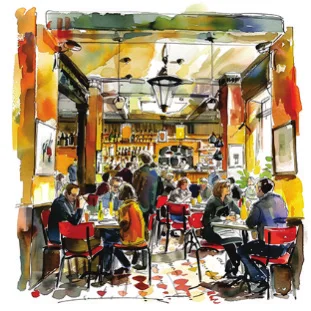
Ambiance
The atmosphere of a restaurant, including its decor, lighting, music, and overall feeling.
Amuse-Bouche
A small, complimentary dish served before the meal to whet the appetite.
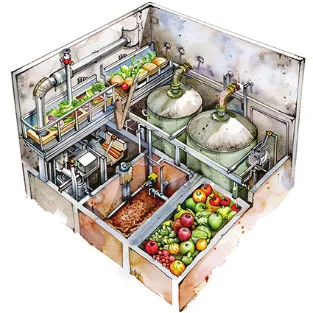
Anaerobic Digestion
A process of breaking down organic waste in the absence of oxygen, used in waste management in restaurants.
Analytics
The systematic computational analysis of data or statistics to inform business decisions.

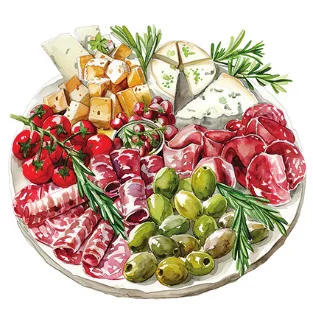
Antipasti
Italian term for "before the meal," typically a variety of cold meats, cheeses, and vegetables.
Aperitif
An alcoholic drink served before a meal to stimulate the appetite.
Appetizer
A small dish served before the main course to stimulate the appetite.
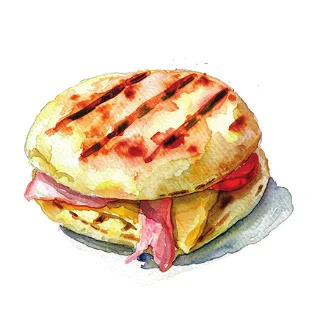
Arepa
A traditional Venezuelan flatbread made from cornmeal, often filled with various ingredients like cheese, meats, or avocado.

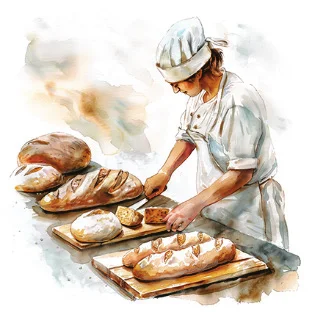
Artisan
A worker in a skilled trade, especially one that involves making things by hand, such as bakers and cheesemakers.
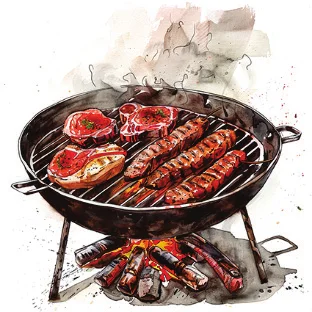
Asado
A traditional South American barbecue where various meats are grilled over an open flame, popular in Argentina and Uruguay.
Asset
Any resource owned by the restaurant, including cash, inventory, and equipment.
Attendance
The number of customers visiting the restaurant within a specific period.
Attrition
The reduction in staff numbers through resignations and retirements rather than through layoffs.
Audit
A thorough inspection of a restaurant's financial records, operations, and compliance with regulations.
Auditor
A person who conducts an official financial inspection of a restaurant's accounts.
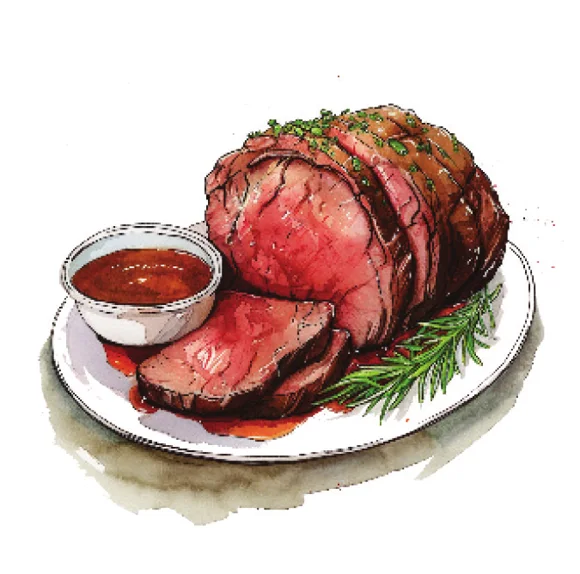
Au Jus
A French term meaning "with juice," referring to meat served with its own natural juices or gravy.
Automation
The use of technology to perform tasks without human intervention, such as automated ordering systems.
Auxiliary Staff
Support staff in a restaurant, such as cleaners, maintenance workers, and dishwashers.
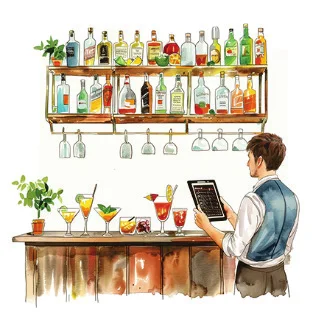
Back Bar
The shelves or storage behind the bar where bottles of liquor and other supplies are kept.
Back of House (BOH)
The area of a restaurant where kitchen operations and food preparation take place, not visible to customers.
Back-of-House Inventory
The stock of ingredients and supplies kept in the kitchen and storage areas.
Bain-Marie
A water bath used to gently heat food or keep it warm without direct exposure to heat.
Baker’s Dozen
A term used to describe 13 items, often applied to baked goods.
Barback
A person who assists the bartender with stocking supplies, cleaning, and other tasks.
Barbecue (BBQ)
A cooking method that involves grilling meat over an open flame, often with a smoky flavor.
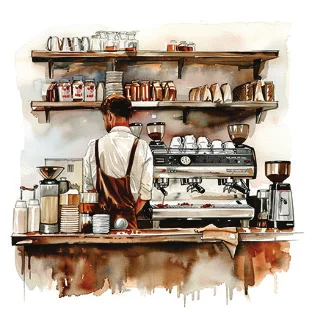
Barista
A person who prepares and serves coffee drinks, typically in a cafe or coffee shop.
Base Cost
The initial cost of ingredients and preparation before adding labor, overhead, and other expenses.
Batch Cooking
Preparing large quantities of food in advance and portioning them out for service.
Batching
Preparing large quantities of a dish or ingredient in advance for future use.
Beverage Cost
The total cost of all beverages sold, including alcoholic and non-alcoholic drinks.
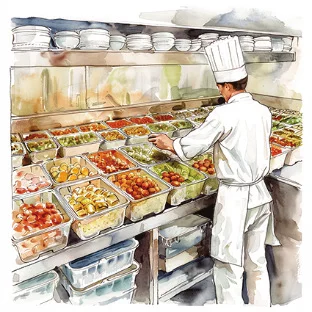
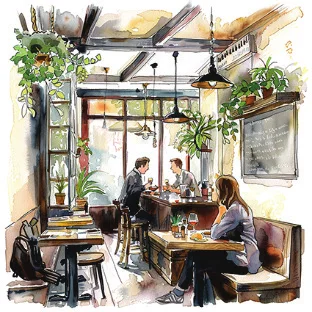
Bistro
A small, casual restaurant offering moderately priced meals.
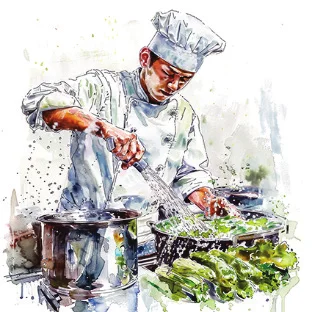
Blanching
A cooking process where food is briefly boiled and then plunged into ice water to halt the cooking process.
Branding
The process of creating a unique image and identity for a restaurant through design, marketing, and customer experience.
Brasserie
A type of French restaurant with a relaxed setting, serving simple, hearty food.
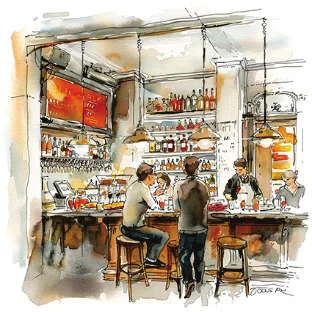
Breakage
The loss of restaurant supplies and equipment due to damage or wear and tear.
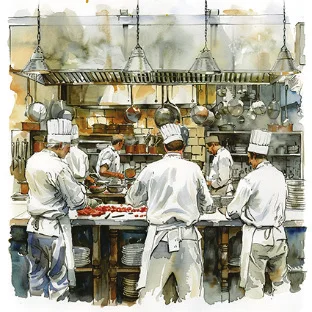
Brigade de Cuisine
A system of kitchen hierarchy developed by Georges-Auguste Escoffier, with specific roles and responsibilities for each member.
Brunch
A meal that combines breakfast and lunch, typically served late in the morning to early afternoon.
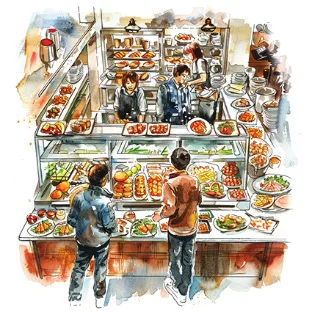
Buffet
A self-service style of dining where customers serve themselves from a variety of dishes laid out on a table.
Budget
A financial plan that outlines expected income and expenses over a specific period.
Bundle Pricing
Offering multiple items or services together at a lower price than if purchased separately.
Burnout
A state of physical and emotional exhaustion caused by prolonged stress, common in high-pressure environments like kitchens.
Business Plan
A document that outlines the goals, strategies, and financial projections for a restaurant.
Busser
A person who clears tables and helps maintain cleanliness in the dining area.
Butchery
The practice of cutting, trimming, and preparing meat for cooking.
Butterfly
A technique where meat or fish is cut and spread open like a book for even cooking.
Buyout
Renting out an entire restaurant or a specific area for a private event.
Brix
A scale used to measure the sugar content in liquids, important in brewing and wine-making.
Broiling
A cooking method where food is cooked directly under a high-heat source.
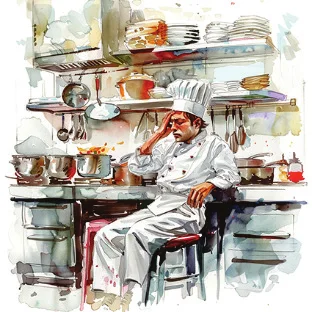
Casual Dining
A restaurant category that offers moderately priced food in a relaxed atmosphere.
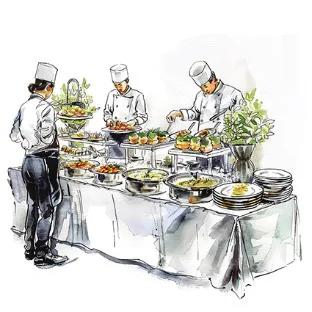
Catering
Providing food and beverage service for events or gatherings held off-site or in a designated area of the restaurant.
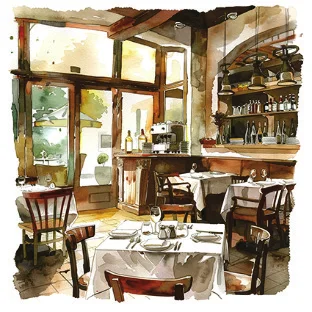
Chain Restaurant
A group of related restaurants with the same name and concept, typically owned by a single company or franchise.
Chef de Cuisine
The head chef responsible for overall kitchen operations, menu planning, and staff management.
Chef de Partie
A chef responsible for a specific section of the kitchen, also known as a station chef.
Commissary Kitchen
A shared kitchen facility where multiple food businesses can prepare and store their products.
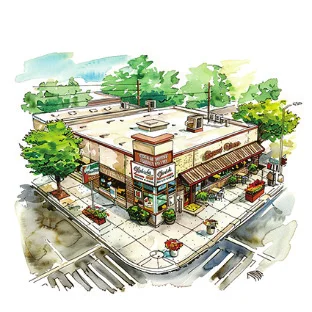
Compliance
Adherence to laws, regulations, and standards relevant to the restaurant industry.
Concept
The overall theme, style, and idea behind a restaurant, including its menu, decor, and target market.
Consommé
A clear, flavorful broth made by simmering meat, vegetables, and aromatics, often clarified with egg whites.
Corporate Dining
Providing food services for businesses and organizations, often through cafeterias or catering.
Cost Control
Measures and strategies used to manage and reduce expenses in a restaurant.
Cost of Goods Sold (COGS)
The direct costs of producing the food and beverages sold by the restaurant.
Critical Control Point (CCP)
A step in the food production process where control can be applied to prevent or eliminate food safety hazards.
Cross-Contamination
The transfer of harmful bacteria or substances from one food item to another, often due to improper handling.

Crostini
Small slices of toasted bread topped with various ingredients, often served as an appetizer.
Culinary Arts
The practice and study of preparing, cooking, and presenting food.
Culinary Trends
Popular styles, techniques, and ingredients currently favored in the culinary world.
Customer Acquisition Cost (CAC)
The total cost associated with acquiring a new customer, including marketing and sales expenses.
Customer Feedback
Input from customers about their dining experience, used to improve service and offerings.


Cutlery
Utensils used for eating and serving food, such as knives, forks, and spoons.
Cuisine
A style or method of cooking, particularly characteristic of a specific country or region.
Curbside Pickup
A service where customers can pick up their food orders without leaving their cars.