Restaurant glossary G–J: Epicurean Expressions
108 illustrated culinary and restaurant terms from the G–J section of Epicurean Expressions by Gerardo Salazar.
Galley
A small kitchen, especially on a ship or aircraft, but also used in some compact restaurant setups.
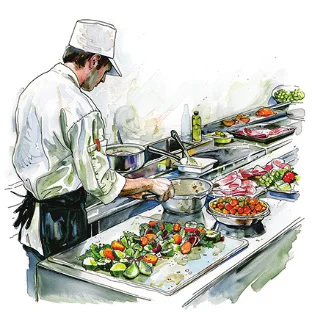
Garde Manger
A chef responsible for cold food preparation, including salads, appetizers, and charcuterie.
Garnish
Decorative and edible items added to a dish to enhance its appearance and flavor.
Gastronomy
The study and appreciation of food and cooking, often associated with high-end culinary arts.
Gelato
An Italian-style ice cream that is denser and creamier than traditional ice cream, often made with less air and more intense flavors.

Gift Card
A prepaid card that can be used to pay for meals at a restaurant, often given as a gift.
Glazing
The process of applying a glossy coating to food, often with a sauce or sugar mixture, to enhance appearance and flavor.
GMO (Genetically Modified Organism)
An organism whose genetic material has been altered using genetic engineering techniques, often found in certain food ingredients.
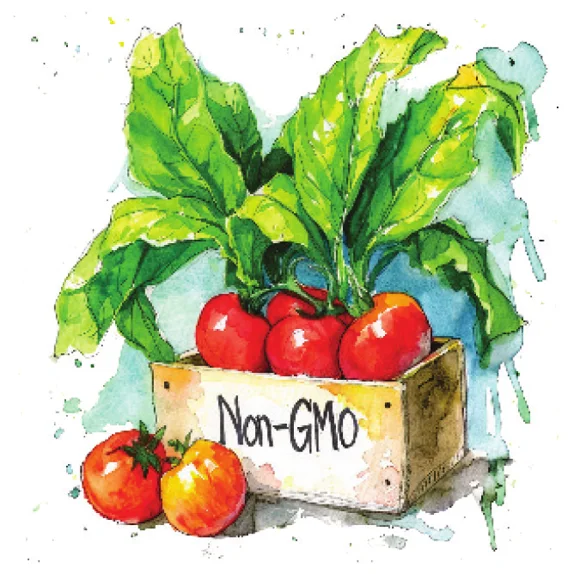
GMO-Free
Foods that do not contain genetically modified organisms, often highlighted on menus for health-conscious customers.

Ghost Kitchen
A professional kitchen set up for the preparation of delivery-only meals, without a dine-in option.
Gluten-Free
Foods that do not contain gluten, a protein found in wheat, barley, and rye, catering to people with celiac disease or gluten sensitivity.
Gourmet
High-quality food and drink that is expertly prepared and presented, often associated with fine dining.
Gratuity
A tip given to service staff by customers as a token of appreciation for good service.
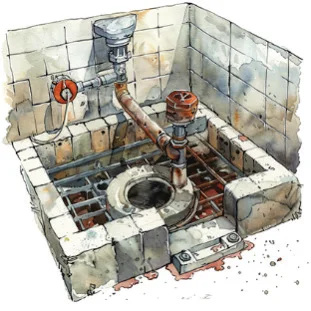
Grease Trap
A plumbing device that captures grease and solid waste from kitchen wastewater to prevent clogging and environmental contamination.
Gremolata
A condiment made of chopped parsley, garlic, and lemon zest, typically used as a garnish for meat and fish dishes.
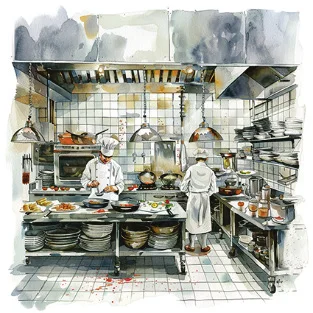
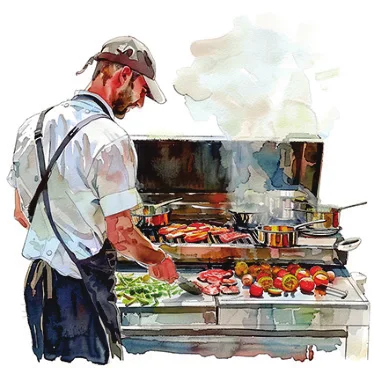
Grill Cook
A chef responsible for grilling meats, vegetables, and other foods, often at a specific station in the kitchen.
Gross Margin
The difference between sales revenue and the cost of goods sold, expressed as a percentage of sales.
Gross Profit
The difference between sales revenue and the cost of goods sold, before deducting operating expenses.
Gross Revenue
The total income generated by a restaurant before any expenses are deducted.
Ground Lease
A long-term lease agreement for the land on which a restaurant is built, rather than the building itself.
Group Dining
Accommodating large parties or groups of guests, often with special menus or seating arrangements.
Guest Check
The bill presented to a customer at the end of their meal, detailing the items ordered and their prices.
Guest Count
The number of customers served in a restaurant over a specific period, used to measure business volume.
Guest Loyalty
The likelihood that customers will return to a restaurant due to positive experiences and satisfaction.
Guest Relations
The practice of managing interactions with customers to ensure a positive dining experience and address any concerns.
Guest Satisfaction
The measure of how happy customers are with their dining experience, often assessed through feedback and surveys.
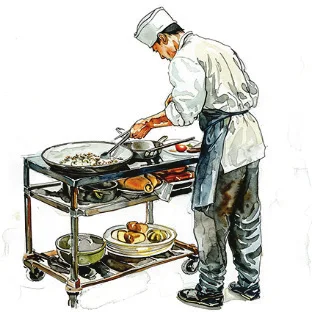
Guéridon Service
A style of table-side service where food is prepared, cooked, or finished at a table using a portable cart.
HACCP (Hazard Analysis Critical Control Point)
A systematic approach to food safety that identifies and controls potential hazards in the production process.
Halal
Food prepared according to Islamic dietary laws, often indicated on menus to cater to Muslim customers.
Happy Hour
A designated time period during which a restaurant offers discounts on drinks and sometimes food to attract customers.
Head Chef
The chef in charge of all kitchen operations, also known as the executive chef.
Health Code
Regulations that govern the safe handling, preparation, and storage of food in restaurants.
Health Department
The local or state agency responsible for enforcing health codes and conducting inspections in restaurants.
Health Inspection
An official review of a restaurant’s compliance with health and safety regulations to ensure food safety.
Heat Exchanger
A device used to transfer heat between two or more fluids, often used in refrigeration and HVAC systems.
Heat Lamp
A device used to keep food warm until it is served, commonly found in the kitchen pass area.
Heirloom
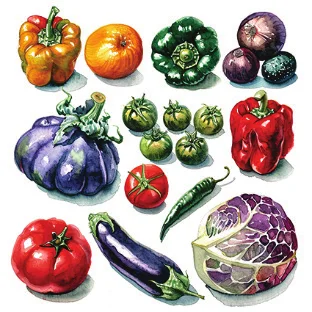
Traditional varieties of fruits and vegetables that have been passed down through generations, often prized for their unique flavors.
Herb Garden
A garden where fresh herbs are grown for use in the restaurant's kitchen.

Holding Cabinet
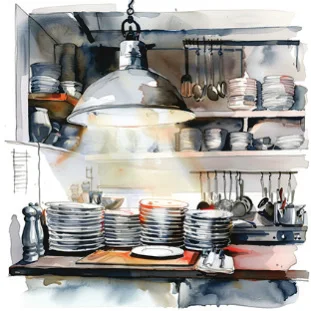
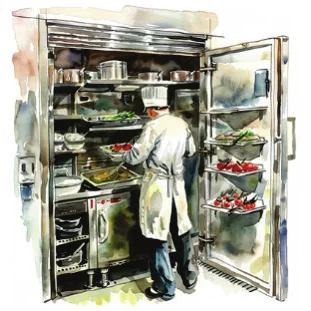
An insulated unit used to keep prepared food at safe serving temperatures until it is ready to be served.
Holding Time
The maximum amount of time food can be kept at safe temperatures before it must be discarded.
Holloware
Serving dishes and utensils that are not flatware or cutlery, such as bowls, pitchers, and teapots.
Hors d'oeuvre
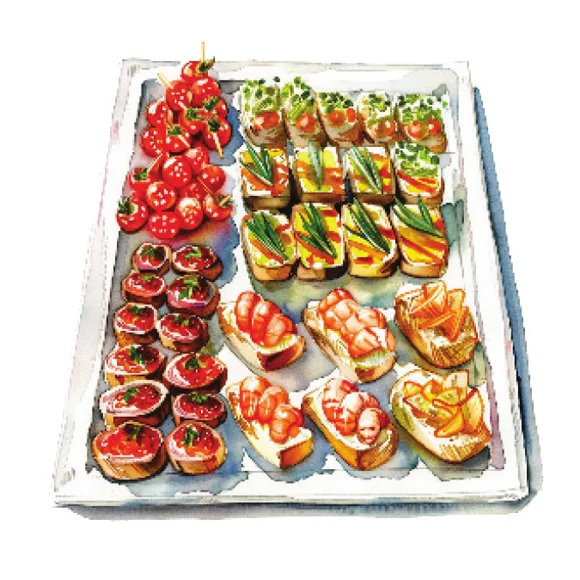
Small, savory appetizers served before the main meal, often at receptions or parties.
Host/Hostess
The person responsible for greeting and seating guests in a restaurant.
Hospitality
The friendly and generous reception and entertainment of guests, an essential aspect of the restaurant industry.
Hot Line
The section of the kitchen where hot dishes are prepared and plated.
Hot Plate
A portable device used to cook or keep food warm, often used for table-side preparations.
House Account
A credit account established by regular customers who are billed periodically for their purchases.
House Dressing
A unique salad dressing created and served exclusively at a particular restaurant.
House Special
A signature dish or beverage unique to a particular restaurant, often highlighted on the menu.
House Wine
The restaurant's default wine selection, typically offered at a lower price than other wines on the menu.
Housemade
Food items prepared on-site by the restaurant’s kitchen staff, as opposed to pre-made or store-bought.
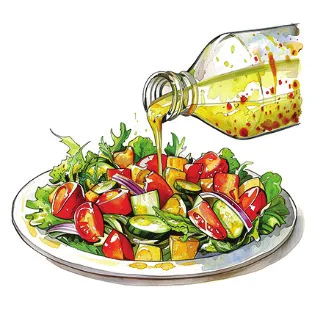

HR (Human Resources)
The department responsible for hiring, training, and managing employees in a restaurant.
Hybrid Service
A combination of different service styles, such as table service for entrees and self-service for appetizers.
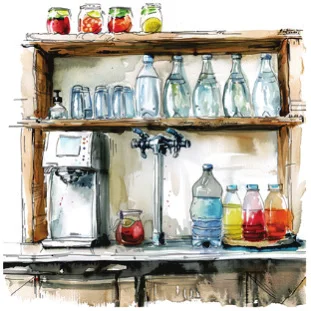
Hydration Station
A dedicated area where customers can refill water bottles or access flavored water options.

Ice Cream Machine
A device used to produce ice cream, often found in dessert stations and specialty shops.
Ice Cream Scoop
A tool used to portion and serve ice cream, often with a lever mechanism for easy release.
Ice Machine
A device used to produce ice for drinks and food preparation.
Immersion Blender
A handheld kitchen tool used for blending or pureeing food directly in the container being used for preparation.
Independent Contractor
A person or entity contracted to perform services for a restaurant but not considered an employee.
Independent Restaurant
A restaurant that operates independently and is not part of a chain or franchise.
Indoor Dining
Seating arrangements within the restaurant building, as opposed to outdoor or patio dining.
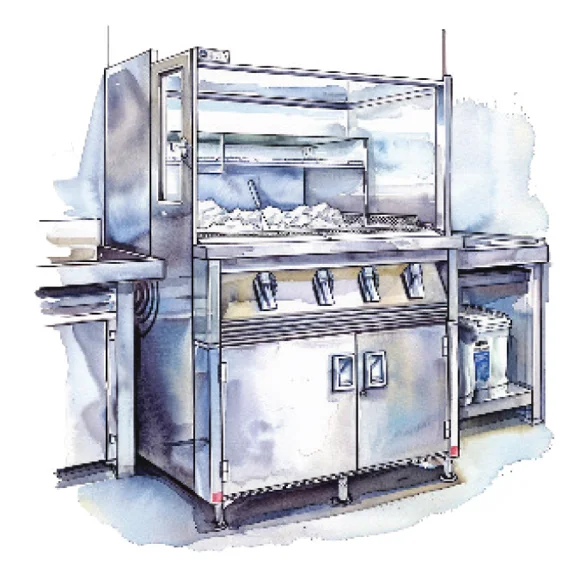
Induction Cooking
A method of cooking that uses magnetic fields to heat cookware directly, offering precise temperature control and energy efficiency.
Infusion
The process of extracting flavors from ingredients by steeping them in a liquid, commonly used for teas, oils, and spirits.
Ingredient Sourcing
The process of obtaining the raw materials needed for food preparation, focusing on quality, cost, and sustainability.
Inspection
An official review of a restaurant's operations, facilities, and practices to ensure compliance with regulations and standards.
Instant Read Thermometer
A tool used to quickly measure the internal temperature of food to ensure it is cooked to a safe level.
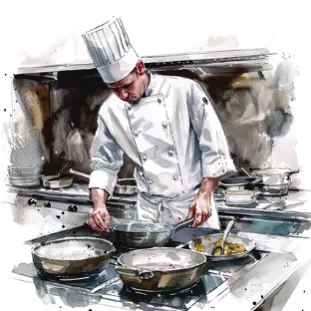
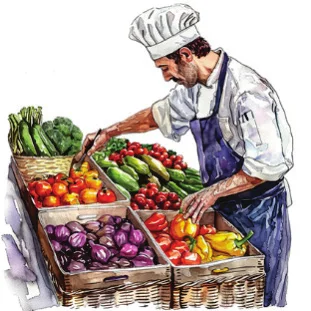
Integrated POS System
A point-of-sale system that combines sales, inventory management, and other functions into a single platform.
Intangible Assets
Non-physical assets such as trademarks, brand reputation, and intellectual property.
Inventory
The stock of ingredients, supplies, and products that a restaurant keeps on hand for daily operations.
Inventory Management
The process of overseeing and controlling the ordering, storage, and use of ingredients and supplies.
Inventory Turnover
The rate at which inventory is used and replaced, indicating the efficiency of inventory management.
Invoice
A bill issued by a supplier to a restaurant for goods or services provided.
Invoice Management
The process of tracking and processing invoices from suppliers, ensuring timely payment and accurate record-keeping.
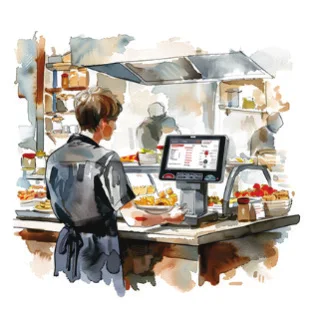
In-House Training
Training provided to employees within the restaurant by internal staff or hired trainers.
In-Store Marketing
Promotional activities conducted within the restaurant to encourage sales, such as signage, displays, and special offers.
Irradiation
A food safety technique that uses radiation to eliminate pathogens and extend shelf life.
Island Station
A freestanding workstation in the kitchen that allows chefs to work on all sides, often used for prep work or cooking.
ISO Certification
International standards for quality, safety, and efficiency, often pursued by restaurants to demonstrate high operational standards.
Italian Cuisine
A style of cooking originating from Italy, characterized by ingredients such as pasta, olive oil, tomatoes, and wine.
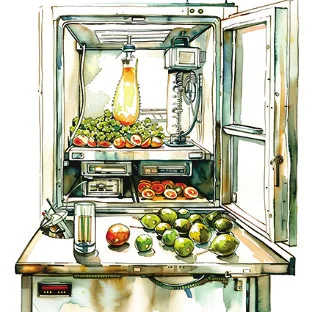
Jalapeño
A medium-sized chili pepper used in many cuisines, known for its moderate heat.
Jalapeño Poppers
A popular appetizer consisting of jalapeños stuffed with cheese or other fillings, breaded, and deep-fried.
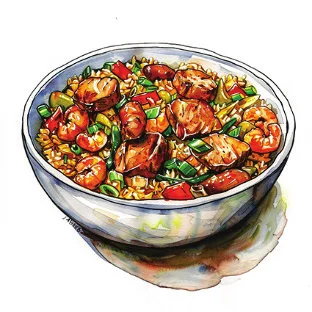
Jambalaya
A popular dish from Louisiana with rice, meat (such as chicken, sausage, or shrimp), vegetables, and spices.
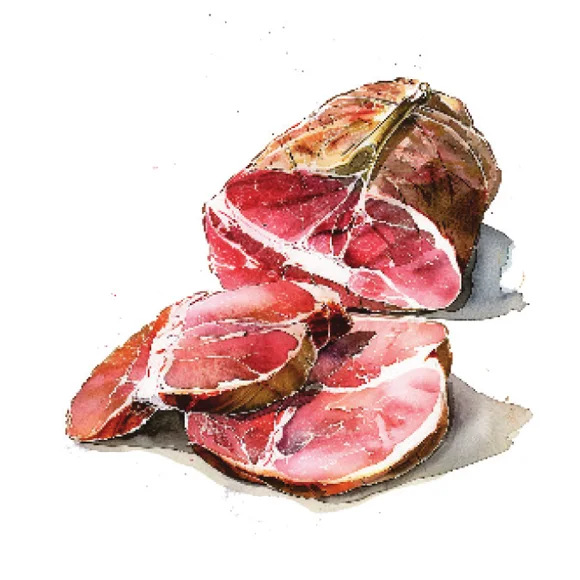
Jambon
The French word for ham, often used to refer to cured or smoked ham.
Jambon de Bayonne
A type of French cured ham from the Basque region, similar to prosciutto.
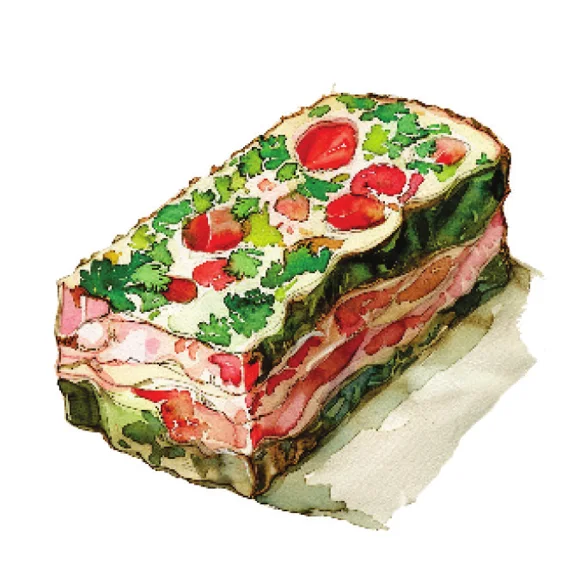
Jambon Persillé
A French dish made with ham and parsley, often served as a terrine or pâté.
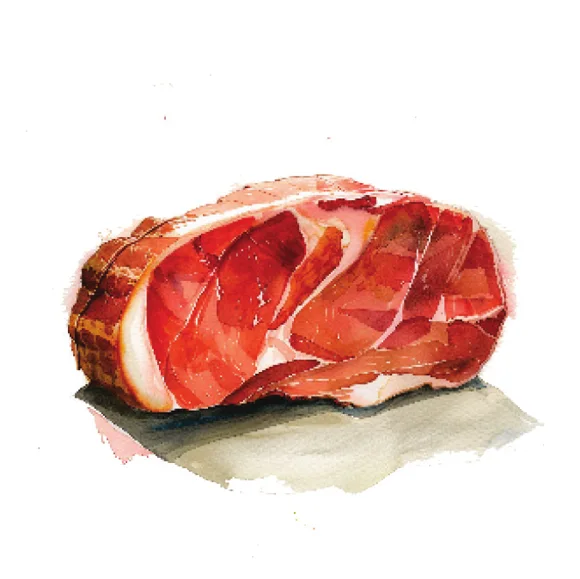
Jamón Ibérico
A type of Spanish cured ham made from Iberian pigs, known for its rich flavor and marbled fat.
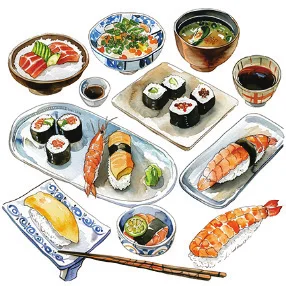
Japanese Cuisine
A style of cooking originating from Japan, characterized by ingredients such as sushi, sashimi, tempura, and soy sauce.
Japanese Tea Ceremony
A traditional ritual of preparing and serving Japanese green tea, often accompanied by specific sweets.
Jelly Roll
A type of cake made by spreading filling on a thin sheet of sponge cake and rolling it into a log.
Jerk Seasoning
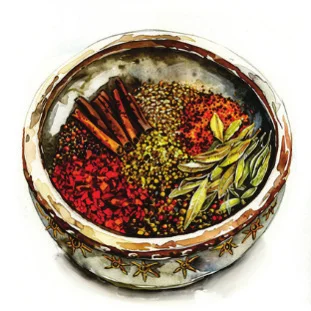
A spicy seasoning blend used in Caribbean cuisine, typically made with allspice, Scotch bonnet peppers, thyme, and other spices.


Jeroboam
A large wine bottle holding the equivalent of four regular 750ml bottles, often used for champagne.
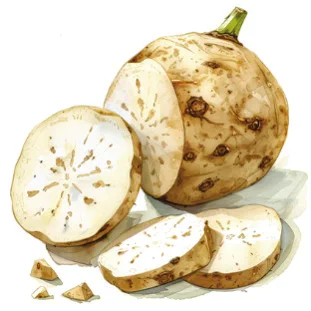
Jicama
A crunchy, slightly sweet root vegetable often used in salads and slaws.
Jigger
A small measuring device used by bartenders to measure liquor, typically with a 1.5-ounce side and a 1-ounce side.
Job Description
A detailed list of duties, responsibilities, and qualifications for a specific job position within the restaurant.
Job Rotation
A practice of moving employees between different jobs or tasks to enhance their skills and prevent monotony.
Job Shadowing
A training method where an employee observes and learns from a more experienced colleague.

Joint Venture
A business arrangement where two or more parties agree to pool resources for a specific project or business activity, such as opening a new restaurant.
Joule
A unit of energy used to measure the heat produced in cooking.
Juice Bar
A type of establishment that specializes in freshly squeezed fruit and vegetable juices.
Juice Extractor
A machine used to separate juice from the pulp of fruits and vegetables.
Juicing
The process of extracting juice from fruits and vegetables, often done using a juicer or blender.
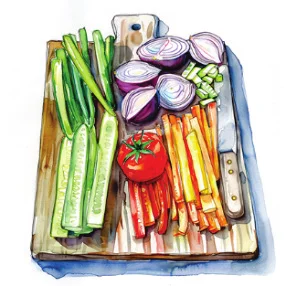
Julienne
A knife technique where food is cut into long, thin strips, often used for vegetables.

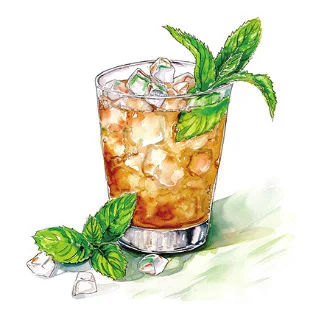
Julep
A type of cocktail typically made with bourbon, mint, sugar, and crushed ice, known as a Mint Julep.
Julep Strainer
A bar tool used to strain ice and fruit from a julep or other mixed drink.
Jus
A French term for a light gravy or sauce made from the juices released by meat during cooking.
Jus Lié
A sauce made from meat juices thickened with cornstarch or flour.
Just-in-Time Inventory
An inventory management strategy where materials and products are delivered just before they are needed, reducing storage costs.