
Restaurant glossary D–F: Epicurean Expressions
84 illustrated culinary and restaurant terms from the D–F section of Epicurean Expressions by Gerardo Salazar.
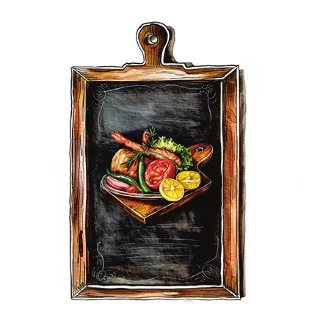
Daily Special
A dish offered on a specific day that is not part of the regular menu, often highlighting seasonal or unique ingredients.
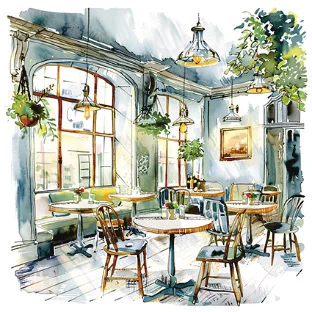
Décor
The style and arrangement of the furnishings, artwork, and other aesthetic elements in a restaurant.
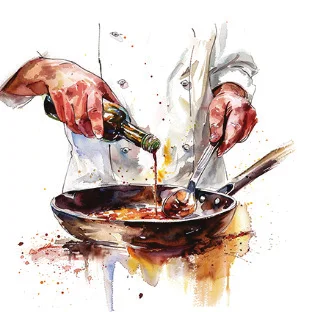
Deglaze
A cooking technique where liquid is added to a hot pan to dissolve the browned food particles stuck to the bottom, creating a flavorful sauce.
Delivery
A service where food is transported from the restaurant to the customer’s location.
Demographic Segmentation
Dividing a market into segments based on demographic factors like age, gender, income, education, etc.
Demographics
Statistical data relating to the population and particular groups within it, used to target restaurant marketing and offerings.
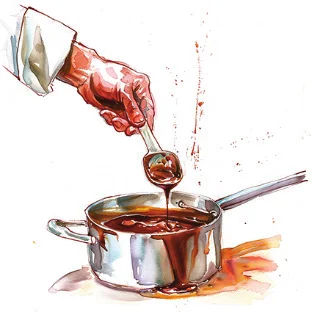
Demi-Glace
A rich, brown sauce made by reducing a mixture of veal stock and Espagnole sauce, used as a base for other sauces.
Depreciation
The gradual reduction in the value of restaurant assets, such as equipment and furniture, over time.

Dessert
A sweet course typically served at the end of a meal.
Dietary Fiber
The indigestible part of plant foods that aids in digestion, important for menu items catering to health- conscious customers.
Dietary Restrictions
Limitations on certain foods due to health conditions, allergies, religious beliefs, or personal preferences.
Direct Costs
Expenses directly attributed to the production of food and beverages, such as ingredients and labor.
Dine-In
The option for customers to eat their meal within the restaurant premises.
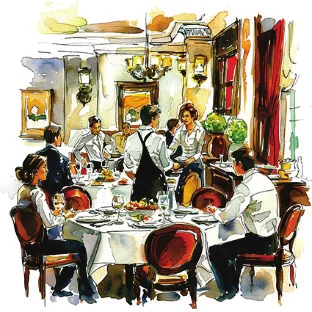
Dining Room
The area of a restaurant where guests are served and consume their meals.
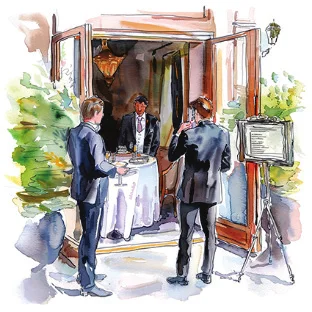
Dinner Service
The time period during which a restaurant serves dinner, typically in the evening.
Dish Pit
The area of the kitchen where dishes, utensils, and cookware are cleaned.
Dishwasher
A person or machine responsible for cleaning dishes, utensils, and cookware in a restaurant.
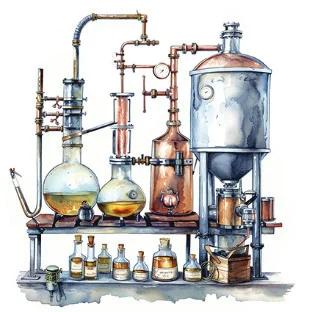
Distillation
A process used to purify or separate components in liquid mixtures, commonly used in beverage production.
Docking
Pricking dough with a fork or docking tool to prevent it from rising unevenly during baking.
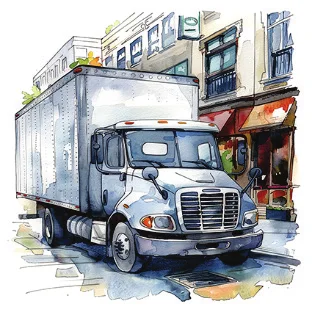
Drayage
The transport of goods over a short distance, often as part of a longer overall move, particularly relevant in logistics for food supplies.
Dress Code
A set of guidelines for appropriate attire within a restaurant, applicable to both staff and guests.
Drip Coffee
Coffee made by pouring hot water over ground coffee beans, which then drips through a filter.
Drop
A term used in the kitchen to indicate when food should be started or placed in the cooking process.
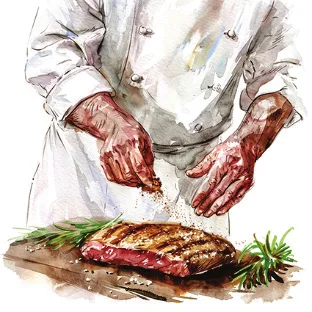
Dry Rub
A mixture of herbs, spices, and other seasonings applied to meat before cooking to add flavor.
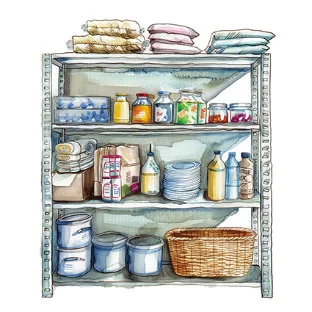
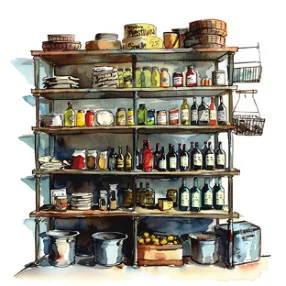
Dry Storage
The area where non-perishable food items and supplies are stored.
Due Diligence
The investigation and evaluation of a business or individual before entering into an agreement, ensuring all necessary information is gathered.
Dumping
Disposing of leftover food or waste that cannot be used or repurposed.
Duty Roster
A schedule that outlines the responsibilities and shifts of restaurant staff.
Dynamic Pricing
Adjusting prices based on demand, time of day, or other factors to maximize revenue.
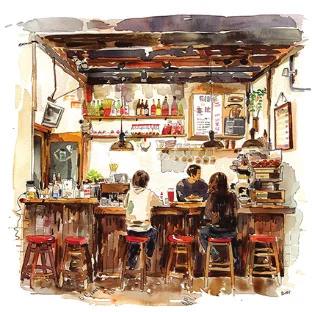
E-Commerce
The buying and selling of goods or services over the internet, including online ordering for restaurants.
Earnings Before Interest and Taxes (EBIT)
A measure of a restaurant's profitability, excluding interest and income tax expenses.
Earnings Before Interest, Taxes, Depreciation, and Amortization (EBITDA)
A measure of a restaurant's operating performance, excluding expenses related to interest, taxes, depreciation, and amortization.
Eatery
A general term for a place where food and drink are sold and consumed.
Edible Flowers
Flowers that can be safely consumed, often used to garnish dishes for visual appeal and flavor.
Efficiency
The ability to achieve maximum productivity with minimum wasted effort or expense in a restaurant.
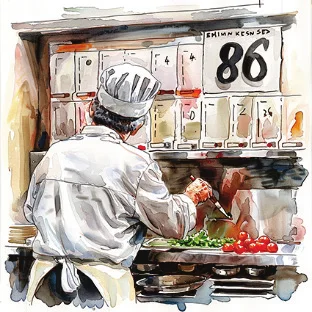
Eight-Six (86)
A term used in the restaurant industry to indicate that an item is no longer available or that a customer or employee should be removed.
EHO (Environmental Health Officer)
An official responsible for ensuring that restaurants comply with health and safety regulations.
Elderflower
A flower from the elder tree, often used in culinary applications such as syrups, cordials, and desserts.
Employee Turnover
The rate at which employees leave a restaurant and are replaced by new hires.
Endcap
A display at the end of an aisle in a restaurant or store, often used to highlight featured products or promotions.
Entree
The main course of a meal, typically following the appetizer.
Equity
The ownership value in a restaurant, calculated as the difference between assets and liabilities.
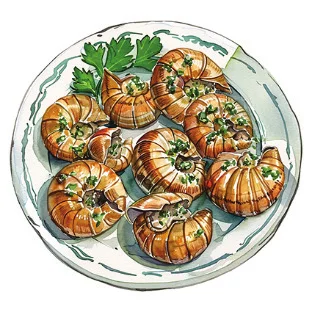
Escargot
A dish consisting of cooked land snails, often prepared with garlic butter, parsley, and other seasonings.
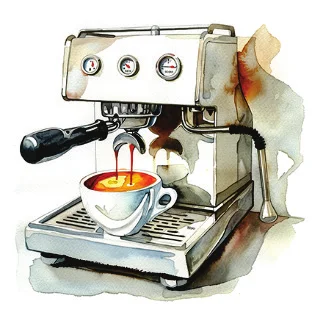
Espresso
A strong coffee brewed by forcing a small amount of nearly boiling water through finely ground coffee beans.
Event Catering
Providing food and beverage services for special events such as weddings, parties, and corporate gatherings.
Event Planning
The process of organizing and coordinating events, including menu selection, decorations, and logistics, often handled by restaurant staff.
Evaluation
The process of assessing the performance and effectiveness of various aspects of a restaurant, including staff, menu items, and operations.
Exclusive
A term used to describe a unique or limited availability offering, such as a special menu item or event.
Exclusive Rights
Legal permissions granted to a restaurant for certain proprietary recipes, branding, or other intellectual property.
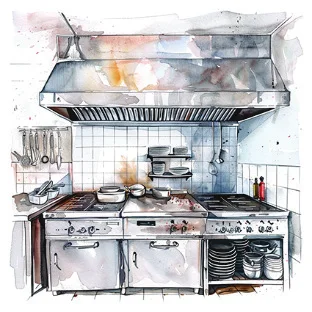
Exhaust Hood
A ventilation device in a kitchen that removes smoke, heat, and odors from the cooking area.
Expenditure
Money spent by a restaurant on various expenses, including ingredients, labor, and overhead.
Executive Chef
The top chef in a restaurant, responsible for all kitchen operations, menu planning, and staff management.
Expansion
The process of growing a restaurant business by opening new locations or increasing capacity.
Experience
The overall impression and enjoyment a customer has while dining at a restaurant, encompassing food, service, ambiance, and other factors.
Expiry Date
The date after which food products are no longer safe to consume.
Etiquette
The customary code of polite behavior in a restaurant setting, both for staff and customers.
Extract
A concentrated form of flavor derived from a natural source, often used in cooking and baking.
FIFO (First In, First Out)
An inventory management method where the oldest stock is used first to ensure freshness and reduce waste.
Farm-to-Table
A movement that promotes sourcing ingredients directly from local farms to ensure freshness and support local agriculture.
Fast Casual
A type of restaurant that offers higher quality food than fast food in a casual setting, often with limited table service.
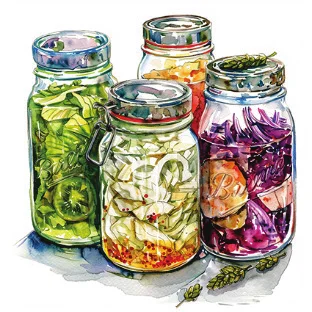
Fermentation
A process where microorganisms convert sugars into alcohol or acids, used in making products like yogurt, sauerkraut, and beer.
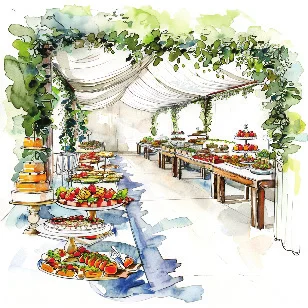
Fine Dining
A high-end restaurant offering gourmet food, an elegant atmosphere, and exceptional service.
Fixed Costs
Expenses that do not change with the level of business activity, such as rent, utilities, and salaries.
Flash Freezing
A process of freezing food quickly to preserve its quality and prevent large ice crystals from forming.
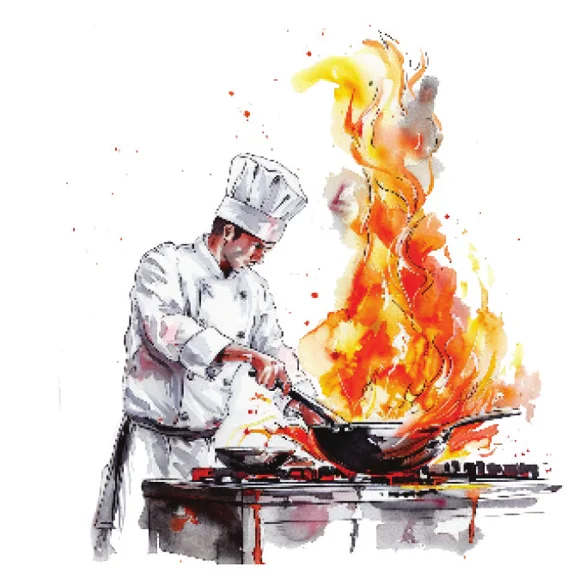
Flambé
A cooking technique where alcohol is added to a hot pan to create a burst of flames, often used for dramatic presentation.
Flavor Profile
The combination of flavors that characterize a dish, including sweet, sour, salty, bitter, and umami.
Flatware
Eating utensils such as knives, forks, and spoons used in a restaurant.
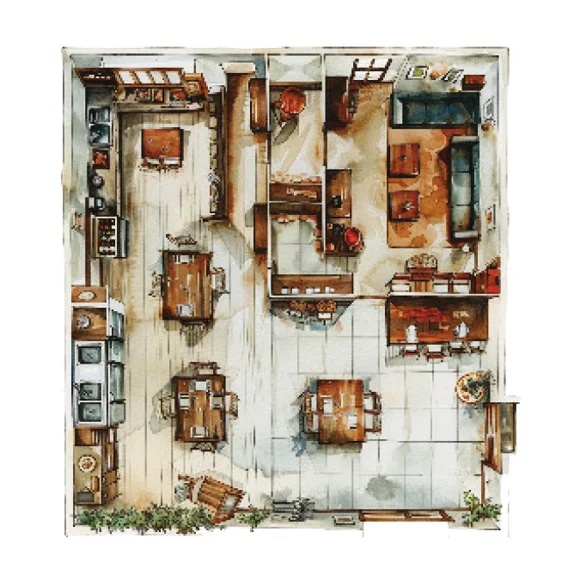
Floor Plan
The layout of a restaurant's dining area, kitchen, and other spaces, used for planning and design.
Foodborne Illness
Illness caused by consuming contaminated food, often preventable through proper food safety practices.
Food Cost Percentage
The ratio of the cost of food sold to the revenue generated from food sales, used to measure profitability.
Food Handler's Permit
A certification required for restaurant employees who handle food, indicating they have been trained in safe food handling practices.
Food Inventory
The stock of food items kept on hand for use in a restaurant.
Food Processor
An appliance used to perform repetitive tasks such as chopping, slicing, and pureeing ingredients.
Food Presentation
The art of arranging and decorating food to enhance its visual appeal.
Food Runner
A restaurant employee responsible for delivering dishes from the kitchen to the dining area.
Food Safety
Practices and guidelines followed to ensure food is stored, handled, and prepared in a way that prevents foodborne illness.
Food Truck
A mobile vehicle equipped to cook and sell food, often offering unique and gourmet options.
Food Waste
The discard of edible food that is not consumed, often due to overproduction, spoilage, or trimming.
Franchise
A business model where a restaurant chain allows independent operators to use its branding, recipes, and business methods in exchange for fees.
Freezer Burn
Damage to food caused by dehydration and oxidation due to improper packaging in the freezer.
Front of House (FOH)
The area of a restaurant where customers are served, including the dining room, bar, and reception.
Fusion Cuisine
A style of cooking that combines elements from different culinary traditions to create innovative dishes.