
Restaurant glossary W–Z: Epicurean Expressions
74 illustrated culinary and restaurant terms from the W–Z section of Epicurean Expressions by Gerardo Salazar.
Wagashi
Traditional Japanese sweets often made from rice flour, sweet beans, and other natural ingredients, usually served with tea.
Wagyu Beef
A highly prized Japanese beef known for its intense marbling and rich flavor.
Waldorf Salad
A salad made with apples, celery, walnuts, and mayonnaise, often served on a bed of lettuce.
Walnut
A type of nut often used in baking and cooking for its rich flavor and crunchy texture.
Wasabi
A pungent green paste made from the Japanese horseradish plant, often served with sushi.
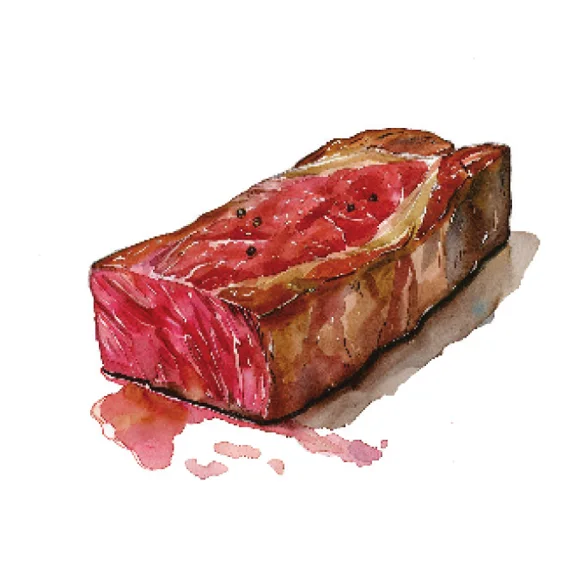
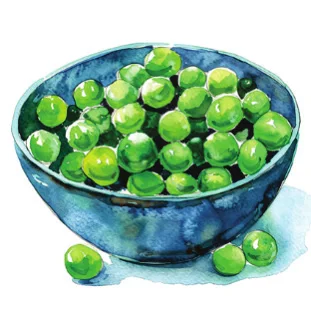
Wasabi Peas
Crunchy roasted peas coated in a spicy wasabi seasoning, often enjoyed as a snack.
Watercress
A leafy green vegetable with a peppery flavor, often used in salads and sandwiches.
Waffles
A breakfast dish made from batter cooked in a waffle iron, often served with syrup, butter, and various toppings.
Wheat Flour
A type of flour made from wheat grains, commonly used in baking bread, pastries, and other baked goods.
Whipped Cream
Cream that has been beaten until it is light and fluffy, often used as a topping for desserts.
Whisk
A kitchen utensil used for beating and blending ingredients, often used to whip cream or eggs.
Whisky
A distilled alcoholic beverage made from fermented grain mash, aged in wooden casks.


White Asparagus
A type of asparagus grown underground to prevent it from turning green, known for its delicate flavor.
White Chocolate
A type of chocolate made from cocoa butter, sugar, and milk solids, without cocoa solids.
Whiting
A type of fish known for its mild flavor and flaky texture, often used in fish and chips.
Whole Grain
Grains that contain all essential parts and naturally occurring nutrients, often used in healthy cooking and baking.
Wild Rice
A type of grain harvested from aquatic grass, known for its nutty flavor and chewy texture.

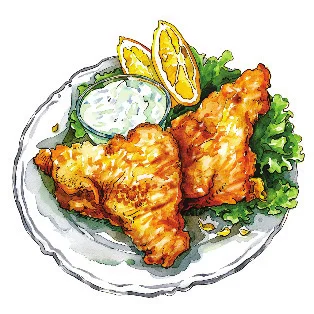
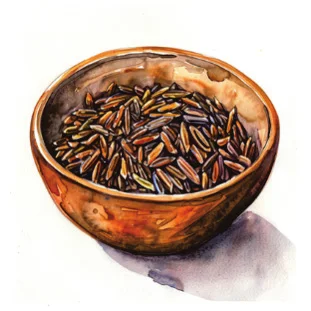
Wilted Greens
Leafy greens that have been lightly cooked until they are tender and slightly wilted, often served as a side dish.
Wiener Schnitzel
A traditional Austrian dish made with breaded and fried veal cutlets, often served with lemon and parsley.
Wine Pairing
The practice of selecting wines to complement specific dishes, enhancing the dining experience.
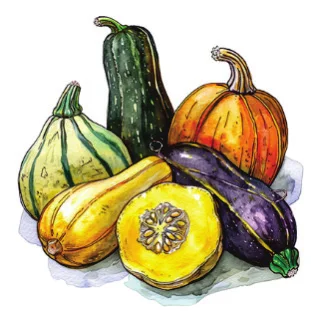
Winter Squash
A type of squash harvested in the fall and winter, known for its hard skin and sweet flesh, often used in soups and stews.
Whey Protein
A protein derived from whey, often used in protein supplements and shakes for its high nutritional value.
Wok
A round-bottomed cooking pan used in Chinese cuisine for stir-frying, steaming, and deep-frying.
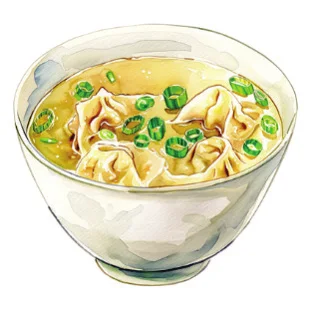
Wonton
A Chinese dumpling filled with meat or vegetables, often served in soup or fried as an appetizer.
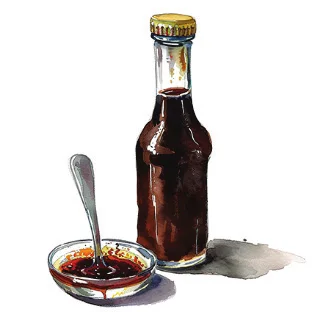
Worcestershire Sauce
A fermented liquid condiment made from a blend of ingredients including vinegar, molasses, anchovies, and spices, often used to enhance flavor in dishes.
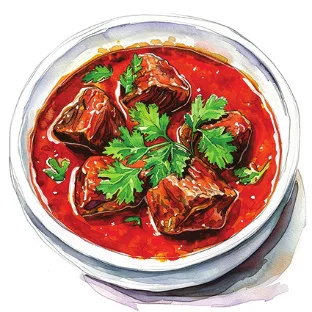
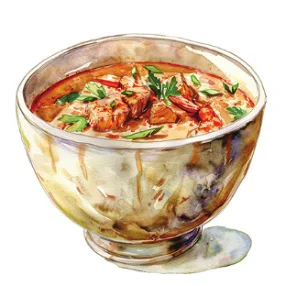
Xacuti
A spicy Goan curry made with coconut and a blend of spices, often prepared with chicken or beef.
Xanthan Gum
A thickening agent derived from fermented sugars, commonly used in gluten-free baking.
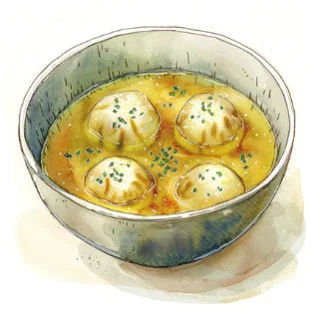
Xavier Soup
An Italian chicken broth soup with parmesan dumplings, often served on St. Francis Xavier’s feast day.
Xavier Steak
A dish consisting of grilled beef steak topped with asparagus and melted cheese.
Xerém
A Portuguese dish made with coarsely ground corn, similar to polenta, often served with meat or seafood.
Xiaochi
A Chinese term for small street food snacks, often sold by vendors and enjoyed as quick bites.
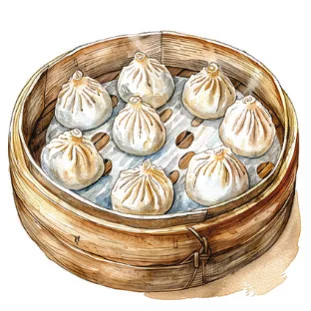
Xiao Long Bao
A type of Chinese steamed bun filled with soup and meat, often served in a bamboo steamer.
Ximenia
A fruit also known as wild plum, found in tropical regions and used in jams and desserts.
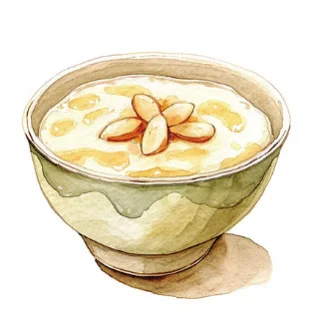
Xingren Donfu
A Chinese dessert made from almond milk, sugar, and a gelling agent, similar to a silky tofu pudding.
Xiphias
A Greek term for swordfish, often grilled or cooked in Mediterranean cuisine.
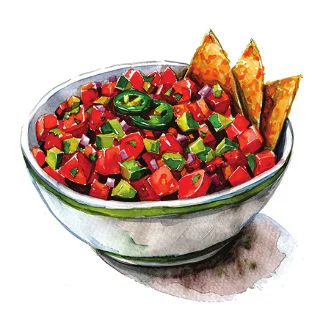
Xnipec
A spicy Yucatecan salsa made with habanero peppers, tomatoes, onions, and sour orange juice.
Xocolatl
An ancient Mesoamerican beverage made from cacao, water, and spices, often unsweetened and frothy.
Xoconostle
A type of prickly pear cactus fruit used in Mexican cuisine, known for its tart flavor.
Xouba
A small, oily fish similar to sardines, often found in Spanish and Portuguese cuisine.
Xylitol
A sugar substitute derived from birch trees or corn, often used in sugar-free products.

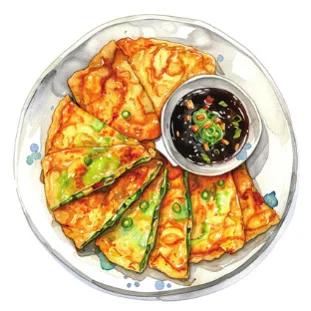
Yachaejeon
A Korean vegetable pancake made with a variety of vegetables and a light batter.
Yakgwa
A traditional Korean honey cookie made from wheat flour, honey, and sesame oil, often deep-fried.
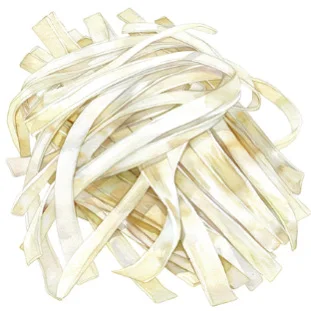
Yaki Udon
A Japanese stir-fried noodle dish made with thick udon noodles, vegetables, and often meat or seafood.
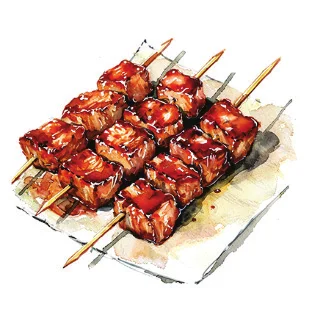
Yakitori
Japanese skewered and grilled chicken, often seasoned with a sweet soy sauce.
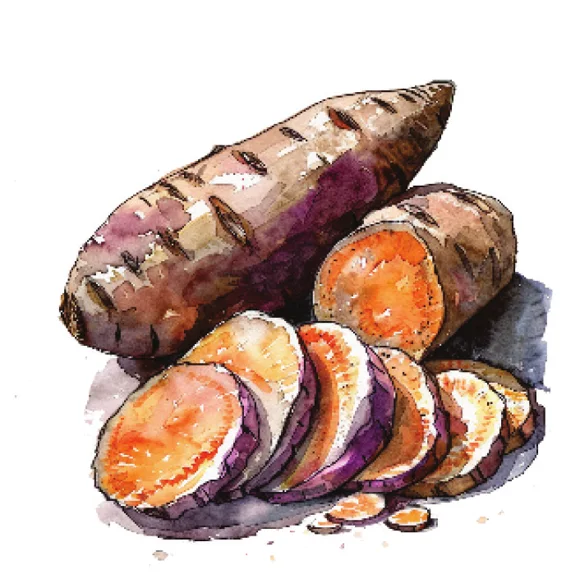
Yam
A starchy tuber often used in cooking, similar to sweet potatoes but with a different flavor and texture.
Yam Noodles
Noodles made from yam flour, often used in Asian cuisine for their chewy texture.
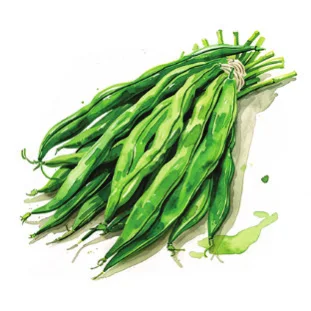
Yardlong Beans
A type of legume also known as Chinese long beans, often used in stir-fries and salads.
Yeast
A microorganism used in baking and brewing to ferment and leaven dough.
Yeasted Dough
Dough that has been leavened with yeast, often used for making bread, rolls, and pastries.
Yellow Cornmeal
Ground maize used in baking and cooking, often used for making cornbread and polenta.
Yellow Rice
Rice that has been cooked with turmeric or saffron, giving it a bright yellow color and flavorful taste.
Yellowfin Tuna
A type of tuna known for its mild flavor and firm texture, often used in sushi and sashimi.
Yellowtail
A type of fish often used in sushi, known for its firm texture and mild flavor.
Yogurt
A fermented dairy product made by bacterial fermentation of milk, often eaten as a snack or used in cooking.
Yogurt Dressing
A creamy dressing made from yogurt, often mixed with herbs, garlic, and lemon juice, commonly used on salads and as a dip.
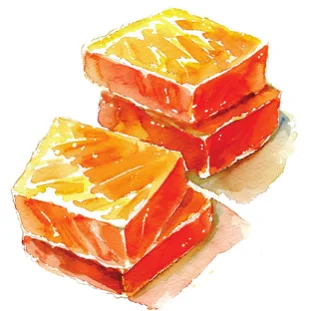
Yokan
A Japanese confection made from red bean paste, agar, and sugar, often served in a firm jelly-like texture.
Yong Tau Foo
A Hakka Chinese dish consisting of tofu and vegetables stuffed with ground meat or fish paste, often served in broth.
Yorkshire Pudding
A British side dish made from a batter of eggs, flour, and milk, often served with roast beef and gravy.
Yuba
Also known as tofu skin, a product made from the skin that forms on the surface of boiling soy milk, often used in Asian cuisine.
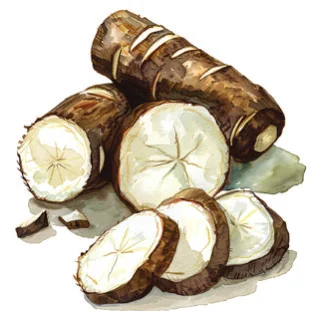
Yucca
A starchy root vegetable also known as cassava, often used in Latin American and Caribbean cooking.

Yuzu
A citrus fruit originating from East Asia, known for its tart flavor and fragrant aroma, often used in sauces, dressings, and desserts.
Yuzu Kosho
A Japanese condiment made from yuzu zest, chili peppers, and salt, often used to add a spicy, citrusy flavor to dishes.
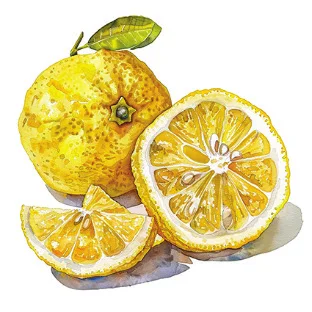

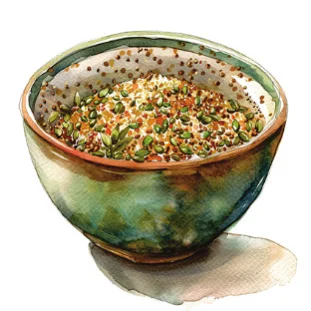
Za'atar
A Middle Eastern spice blend typically made from dried thyme, oregano, sumac, and sesame seeds, used to season various dishes.
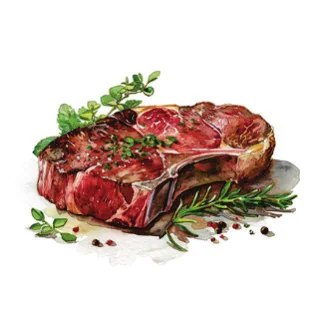
Zabuton
A cut of beef from the chuck area, known for its tenderness and marbling.
Zander
A type of freshwater fish similar to pike-perch, often found in European cuisine.
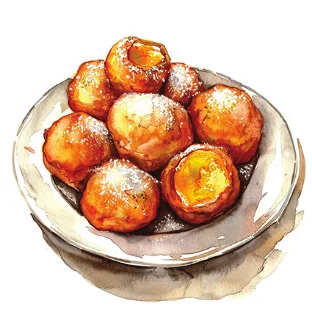
Zeppole
Italian doughnuts often filled with custard or sweetened ricotta, typically eaten during St. Joseph's Day.
Zereshk
The Persian word for barberries, which are small, tart red berries used in Middle Eastern cooking.
Zest
The outer peel of citrus fruits, used to add flavor to dishes.
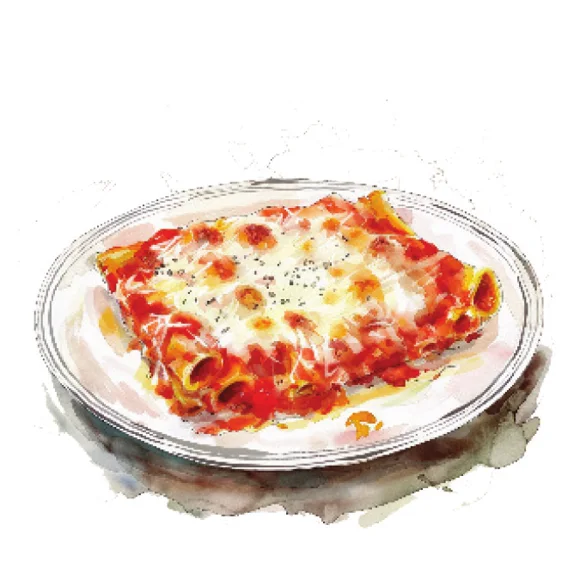
Ziti
A type of pasta shaped like large, smooth tubes, often baked with sauce and cheese.
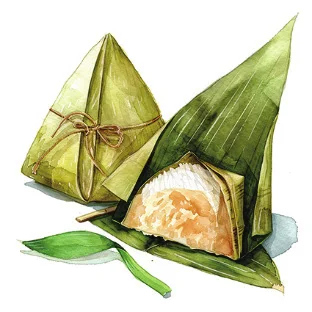
Zongzi
Traditional Chinese sticky rice dumplings wrapped in bamboo leaves, often filled with meats, beans, or egg yolk.
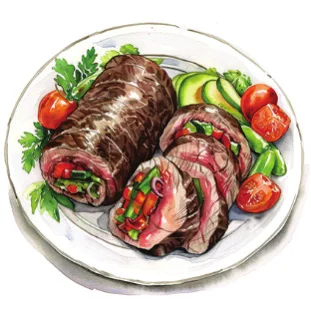
Zrazy
Polish beef rolls typically stuffed with mushrooms, vegetables, and pickles.
Zuccotto
An Italian dessert made with sponge cake, often soaked with liqueur and filled with ricotta or cream and chocolate.
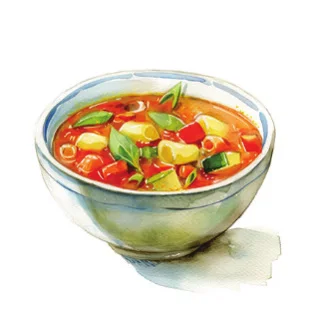
Zuppa
Italian for "soup," often referring to various traditional Italian soups.

Zwetschgenkuchen
A traditional German plum cake made with fresh plums arranged on a yeast or shortcrust pastry base.