Restaurant glossary K–M: Epicurean Expressions
99 illustrated culinary and restaurant terms from the K–M section of Epicurean Expressions by Gerardo Salazar.
Kaiseki
A traditional Japanese multi-course meal that showcases seasonal ingredients and meticulous preparation.
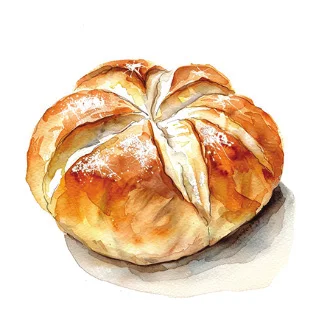
Kaiser Roll
A type of bread roll with a crisp crust and soft interior, often used for sandwiches.
Kebab
Skewered and grilled pieces of meat, often served with vegetables and various sauces.
Key Performance Indicators (KPIs)
Metrics used to measure the success and performance of a restaurant, such as sales, customer satisfaction, and labor costs.
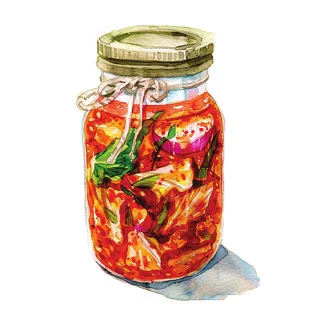
Kimchi
A traditional Korean fermented vegetable dish, usually made with cabbage and radishes, seasoned with chili pepper, garlic, ginger, and other spices.
Kir Royale
A cocktail made with champagne and crème de cassis (blackcurrant liqueur).
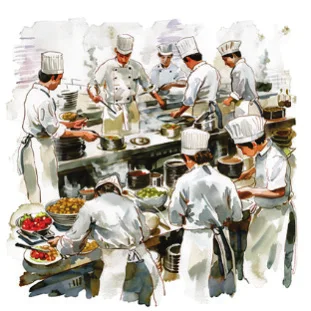
Kitchen Brigade
A hierarchical system in restaurant kitchens, developed by Georges-Auguste Escoffier, where each chef has a specific role and responsibilities.
Kitchen Garden
A garden where fresh herbs, vegetables, and fruits are grown for use in the restaurant's kitchen.
Kitchen Inventory
The stock of ingredients, supplies, and equipment kept on hand in a restaurant's kitchen.
Kitchen Manager
The person responsible for overseeing kitchen operations, managing staff, and ensuring food quality and safety.

Kitchen Timer
A device used to track cooking times and prevent overcooking or burning food.
Kitchenette
A small kitchen area, often found in hotel rooms or small apartments, equipped with basic appliances and utensils.
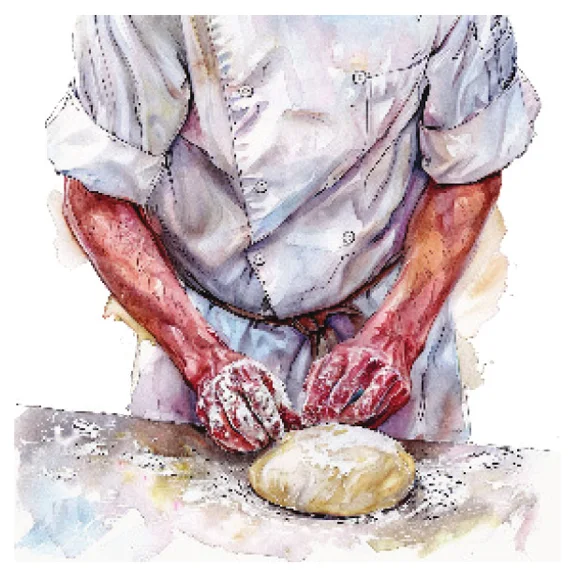
Kneading
The process of working dough with the hands to develop gluten, which gives bread its structure and elasticity.
Knife Block
A wooden or plastic stand used to store kitchen knives safely and keep them organized.
Knife Skills
Techniques used for properly and safely cutting ingredients in the kitchen, such as chopping, dicing, and mincing.

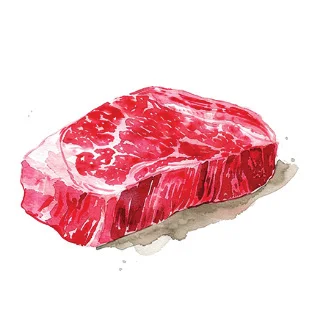
Kobe Beef
A high-quality, marbled beef from Japan, known for its tenderness and flavor, often used in fine dining.
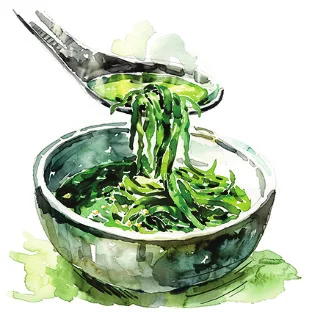
Kombu
A type of edible kelp used in Japanese cuisine, often as a base for soups and broths.
Kombu Dashi
A Japanese broth made with kombu seaweed, often used as a base for soups and sauces.
Kombucha
A fermented tea beverage made with sugar, tea, and a symbiotic culture of bacteria and yeast (SCOBY).

Kosher
Food prepared according to Jewish dietary laws, which include specific rules about ingredients and preparation methods.
Kosher Certification
A label indicating that a food product meets Jewish dietary laws, often granted by a rabbinical authority.
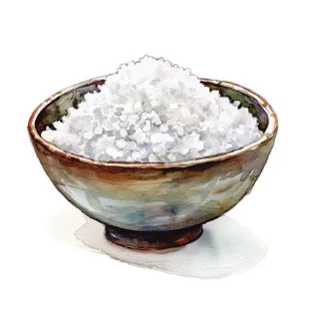
Kosher Salt
A coarse salt used in cooking, known for its clean taste and ability to draw out moisture from meat.
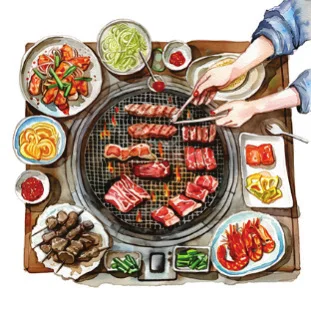
Korean BBQ
A style of dining where diners cook their own meat and vegetables on a grill built into the table, often accompanied by various side dishes.
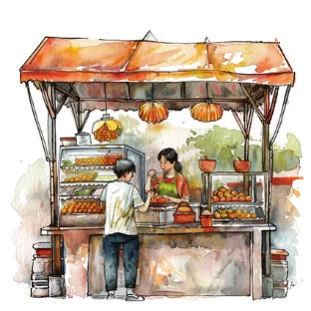
Kiosk
A small, standalone booth or cart that sells food and beverages, often found in malls, airports, and events.
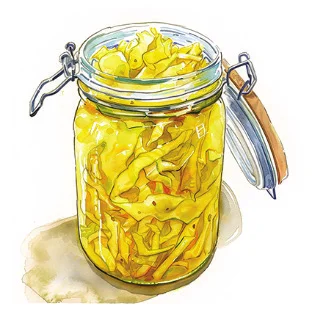
Kraut
A term for fermented cabbage, commonly known as sauerkraut, used as a condiment or side dish.
Lactose-Free
Foods that do not contain lactose, catering to individuals who are lactose intolerant.
Lactose Intolerance
A condition where individuals are unable to digest lactose, a sugar found in milk and dairy products, requiring lactose-free menu options.
Lambrusco
A type of Italian red wine, often sparkling, known for its fruity and slightly sweet flavor.
Lamb Rack
A cut of lamb that includes several rib chops, often roasted whole and sliced into individual chops for serving.

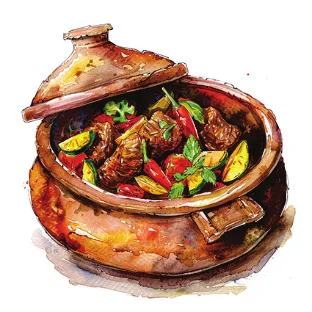
Lamb Tagine
A North African stew made with lamb, vegetables, and spices, slow-cooked in a clay pot called a tagine.
Larder
A cool area for storing food, typically used for ingredients that do not require refrigeration, such as cured meats and dry goods.
Larder Chef
Also known as the Garde Manger, responsible for cold food preparation, including salads, appetizers, and charcuterie.
Larding
The process of inserting strips of fat into lean meat to add moisture and flavor during cooking.
Larding Needle
A tool used to insert strips of fat into lean meat, helping to keep it moist during cooking.
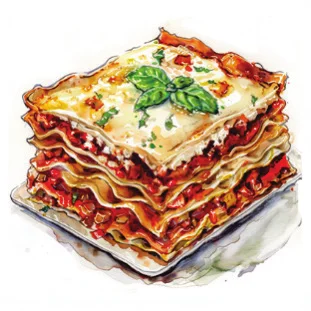
Lasagna
A baked Italian dish made with layers of pasta, sauce, cheese, and various fillings such as meat or vegetables.
Latte
A coffee drink made with espresso and steamed milk, often topped with a small amount of foam.
Lavash
A soft, thin flatbread originating from Armenia, often used as a wrap or served with dips.
Lavender
An aromatic herb used in both savory and sweet dishes, known for its floral flavor.
Le Cordon Bleu
A prestigious culinary school known for its comprehensive training in French cuisine and pastry arts.
Leavening Agent
A substance used in baking to make dough or batter rise, such as yeast, baking powder, or baking soda.
Lemon Zest
The outer peel of a lemon, used to add bright citrus flavor to dishes and drinks.


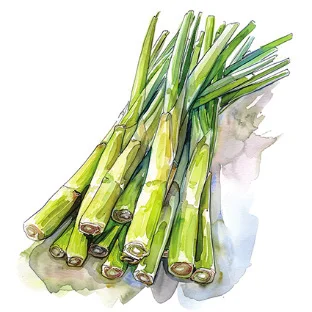
Lemongrass
An aromatic herb used in Asian cuisine, known for its lemony flavor and fragrance.
Lentils
Small, lens-shaped legumes commonly used in soups, stews, and salads, known for their nutritional value.
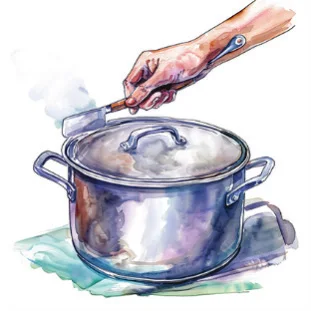
Lid Lifter
A tool used to safely lift lids off hot pots and pans.
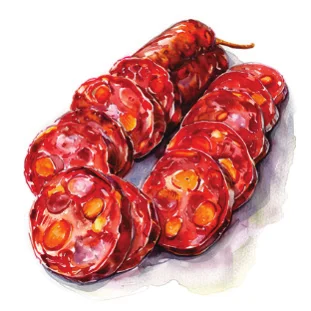
Linguica
A Portuguese sausage made with pork, garlic, and paprika, often used in stews and grilled dishes.
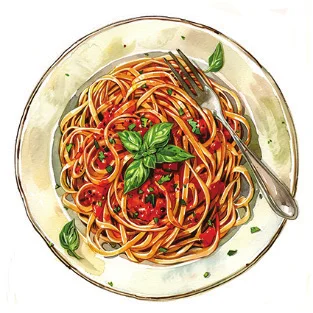
Linguine
A type of pasta that is long and flat, similar to fettuccine but narrower.
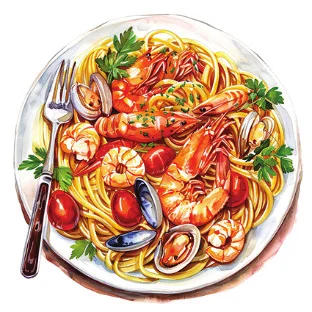
Linguini Pescatore
A pasta dish made with linguine and a variety of seafood, typically served in a tomato-based sauce.
Liquid Nitrogen
A substance used in modernist cooking to rapidly freeze ingredients or create dramatic presentations.
Liquid Smoke
A flavoring made by condensing smoke from burning wood, used to add smoky flavor to foods without actual smoking.
Liqueur
A sweet, flavored alcoholic beverage often used in cocktails or as a dessert drink.
Logistics
The detailed coordination and implementation of complex operations, often involving the supply chain and distribution of food and materials.
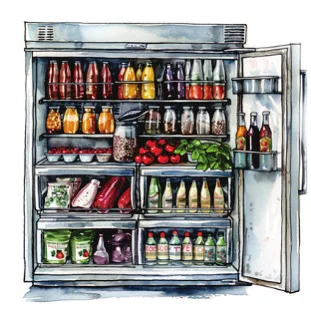
Lowboy
A type of refrigerator that is shorter than standard models, often used in kitchen prep areas for easy access to ingredients.
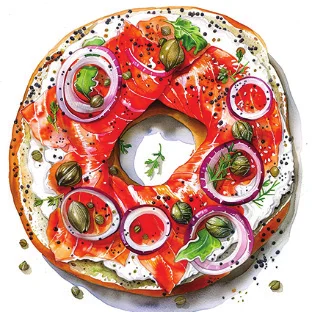
Lox
Cured salmon, typically served on bagels with cream cheese and other toppings.
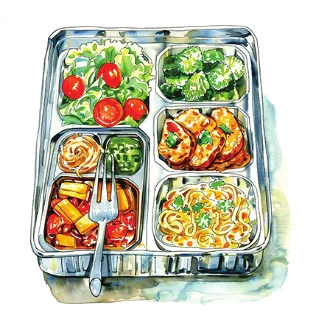
Lugger
A large, insulated container used to transport hot or cold food, often used for catering.
Lunch Buffet
A self-service meal offered during lunch hours, featuring a variety of dishes that guests can choose from.
Lunch Rush
The peak period during lunch hours when a restaurant experiences the highest volume of customers.
Lunch Service
The period during which a restaurant serves lunch, typically between late morning and early afternoon.
Lunch Deal
A special menu offered during lunch hours, often featuring a combination of dishes at a fixed price.
Lyonnaise
A style of cooking with onions, typically referring to potatoes or other vegetables sautéed with onions.
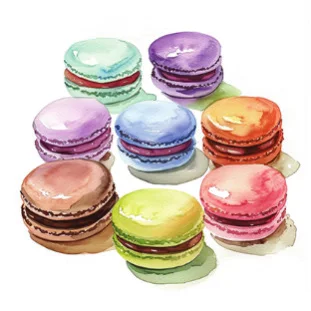
Macaron
A delicate French pastry made with almond flour, egg whites, and sugar, filled with ganache, buttercream, or jam.
Maceration
The process of soaking fruit in liquid (such as sugar or alcohol) to soften it and enhance its flavor.
Mahi-Mahi
A type of fish known for its firm, white flesh and mild flavor, often used in seafood dishes.
Maitre d’
The head waiter or host responsible for seating guests and managing the dining room staff.

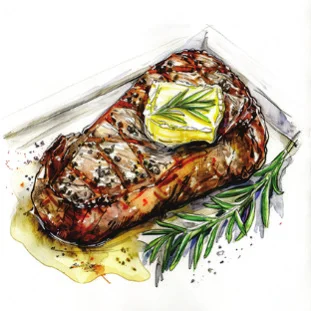
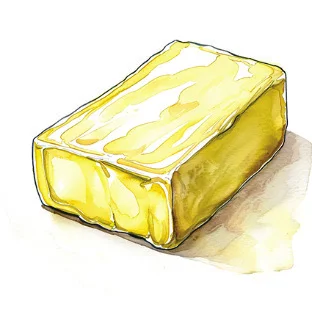
Maitre d’Hotel Butter
A compound butter made with herbs, lemon juice, and sometimes garlic, often served on grilled meats.
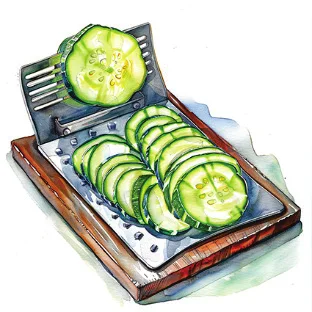
Mandoline
A kitchen tool used to slice vegetables and fruits into uniform, thin slices.
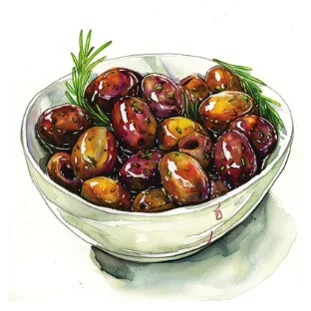
Marinated Olives
Olives soaked in a mixture of herbs, spices, and oil to enhance their flavor.
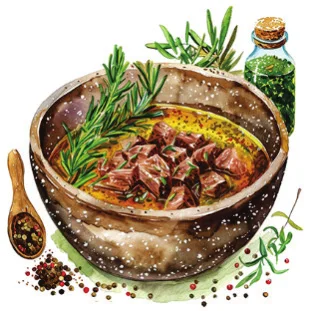
Marinade
A mixture of ingredients, such as oil, vinegar, herbs, and spices, used to soak and flavor meat, fish, or vegetables before cooking.
Market Price
A pricing method where the cost of certain menu items, often seafood, fluctuates based on current market conditions.
Margarine
A butter substitute made from vegetable oils, often used in baking and cooking.
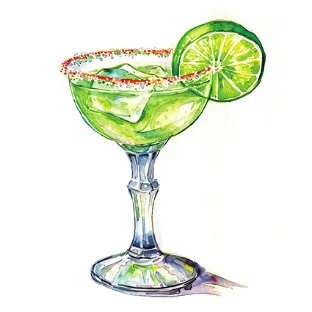
Margarita
A cocktail made with tequila, lime juice, and triple sec, often served with a salted rim.
Marzipan
A sweet, pliable confection made from almond paste and sugar, often used for making candies and cake decorations.
Mascarpone
A rich, creamy Italian cheese often used in desserts like tiramisu and cheesecakes.
Matcha
A powdered green tea used in Japanese tea ceremonies and various culinary applications, known for its vibrant color and health benefits.
Meat Grinder
A machine used to grind meat into minced form, often used for making sausages and ground meat dishes.
Meat Thermometer
A tool used to measure the internal temperature of meat to ensure it is cooked to a safe and desired level.
Medallion
A small, round piece of meat or fish, often cut from a larger fillet or roast.
Mediterranean Cuisine
A style of cooking originating from the Mediterranean region, characterized by the use of olive oil, fresh vegetables, seafood, and herbs.

Meringue
A light, airy dessert made from whipped egg whites and sugar, often baked or used as a topping.
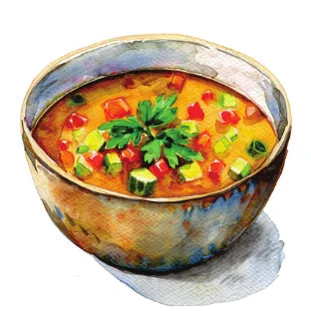
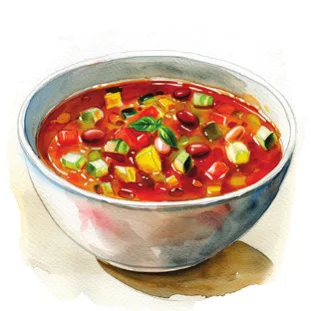
Minestrone
A hearty Italian vegetable soup, often containing pasta or rice, beans, and tomatoes.
Minibar
A small refrigerator in hotel rooms stocked with beverages and snacks for guests.
Mimosa
A cocktail made with champagne and orange juice, often served at brunch.


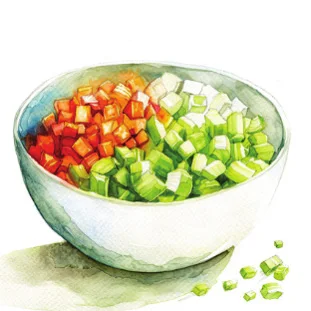
Mirepoix
A mixture of diced onions, carrots, and celery used as a base for soups, stews, and sauces.
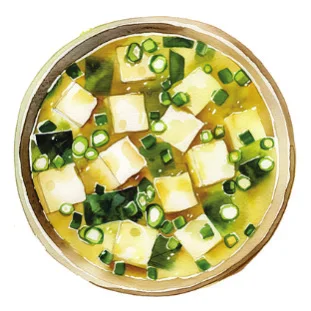
Miso Soup
A traditional Japanese soup made with miso paste, dashi broth, tofu, and seaweed.
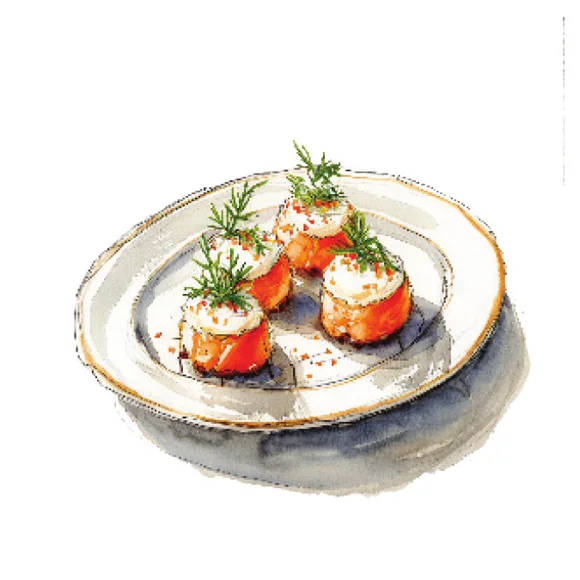
Mise en Bouche
A small, bite-sized appetizer served before the main course to stimulate the appetite.
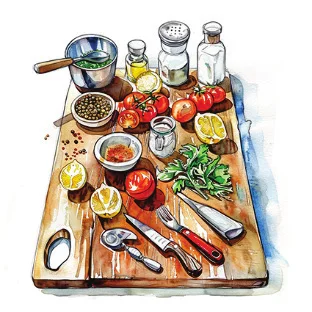
Mise en Place
A French term meaning "everything in its place," referring to the practice of preparing and organizing ingredients and equipment before cooking.
Mixed Greens
A salad made with a variety of leafy greens, often including lettuce, arugula, and spinach.
Molecular Gastronomy
A modern style of cooking that uses scientific techniques to create innovative dishes and presentations.
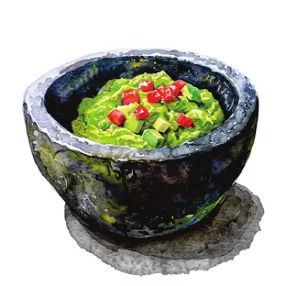
Molcajete
A traditional Mexican mortar and pestle made from volcanic rock, used for grinding spices and making sauces like guacamole.
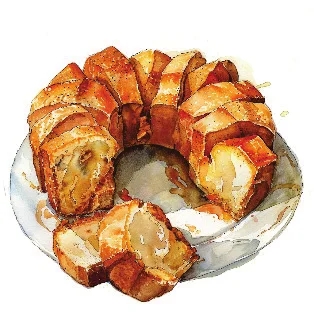
Monkey Bread
A sweet, pull-apart bread made with pieces of dough coated in cinnamon and sugar, often baked in a bundt pan.
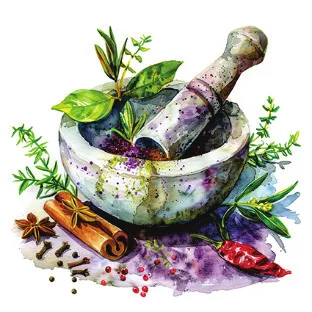
Mortar and Pestle
A tool used to grind and crush ingredients into a fine paste or powder.
Mousse
A light, airy dessert made by folding whipped cream or egg whites into a flavored base, such as chocolate or fruit puree.
Muffin Tin
A baking pan with individual cups used for making muffins, cupcakes, and other small baked goods.
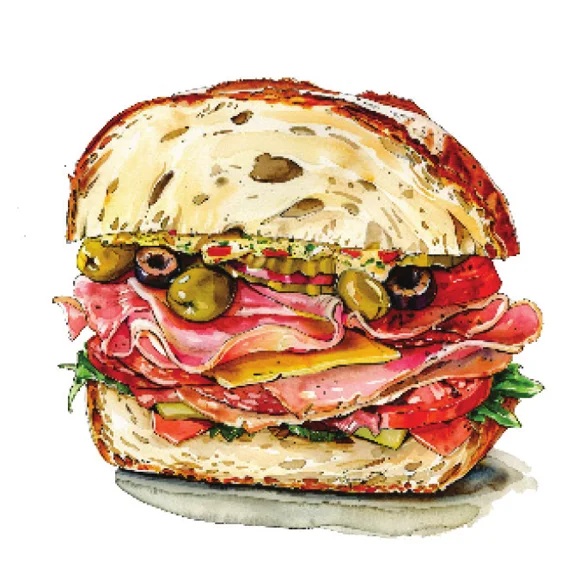
Muffuletta
A traditional Italian sandwich made with a round loaf of bread, filled with layers of cold cuts, cheese, and olive salad.
Mulligatawny Soup
A spicy, flavorful soup of Indian origin, typically made with chicken, vegetables, and curry spices.
Mushroom Duxelles
A finely chopped mixture of mushrooms, onions, and herbs, sautéed and used as a filling or garnish.
Mutton
Meat from a mature sheep, known for its strong flavor and tender texture, often used in stews and roasts.